Choosing guitar amps
The Guitar Amps lane gathers amplifiers and speaker cabinets for guitarists, from headphone units and small practice combos to large heads and stage cabinets. It is written for a player choosing a first amp, a practice setup, a stage rig or an amplifier for an acoustic guitar. The lane covers five subcategories: Guitar Combo Amps, Guitar Amp Heads, Guitar Speaker Cabinets, Acoustic Guitar Amps, and Practice & Headphone Amps (Guitar).
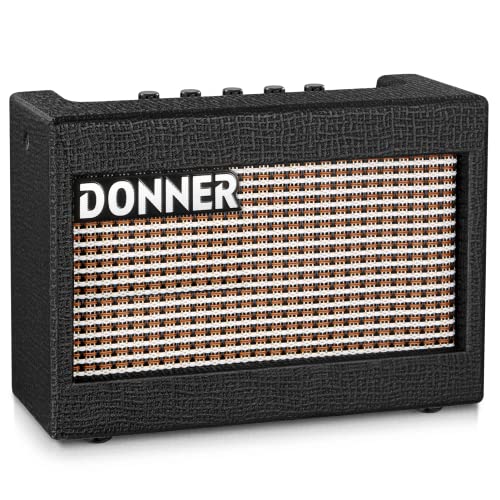
Guitar Combo Amps holds practice, recording and stage combos in tube, solid-state, digital and Class D designs, with the amplifier and speaker in one enclosure. Guitar Amp Heads covers amplifier heads that drive a separate cabinet, in tube, solid-state and hybrid designs. Guitar Speaker Cabinets collects the cabinets that a head or modeling rig feeds, from single 6-inch and 8-inch speakers to 2x12 layouts. Acoustic Guitar Amps covers amplifiers and combos designed for acoustic and acoustic-electric instruments, several with a second input, a looper or a direct output for a sound system. Practice & Headphone Amps (Guitar) covers headphone units, pocket amps and small battery-powered combos for quiet practice at home or on the road.
Power ratings run from a fraction of a watt in headphone units to 100 watts and more in stage heads and combos, so a player should match the power class to the room and the volume the playing needs. Fender, Boss, Vox, Blackstar and Orange each offer models in more than one subcategory, which makes it possible to compare a combo and a head from the same maker. Power, amp type, technology and connectivity are set per model, so the specification on each model should be checked before a choice is made.
What to look for
- Power
Power is the rated output in watts. Values near 5 to 20 watts suit home practice and small rooms, while 50 to 120 watts gives more headroom for larger rooms and stages. The rating sets how loud an amp can get before the sound runs out of room, so it should match the place where the amp will be played.
- Amp type
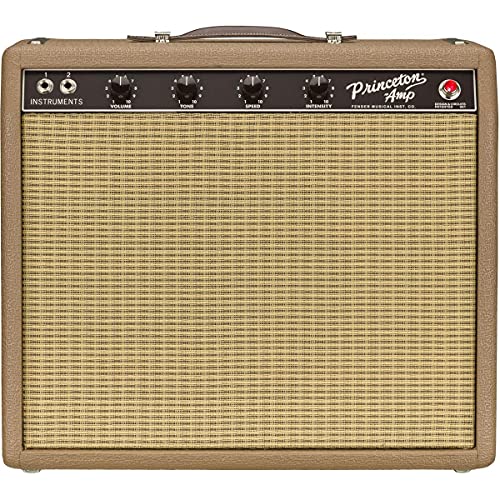
Amp type separates combos, which house the amplifier and speaker in one enclosure, from heads, which need a separate cabinet. A combo is simpler to set up and move, while a head with a cabinet lets a player change the cabinet size or speaker without changing the amplifier.
- Technology
Technology names the circuit: tube, solid-state, hybrid, digital modeling or Class D. Tube circuits are heavier and respond to playing dynamics in a different way from solid-state designs. Modeling and digital designs place a set of amp and effect sounds in one unit, which changes how a player selects a tone.
- Connectivity
Connectivity covers the inputs, outputs and wireless options, such as an auxiliary input, a headphone jack, USB and Bluetooth audio, and a balanced XLR direct output. An auxiliary input lets a player play along with recorded music, a USB connection feeds a recording setup, and a direct output sends the sound to a mixer or sound system.
- Speaker size
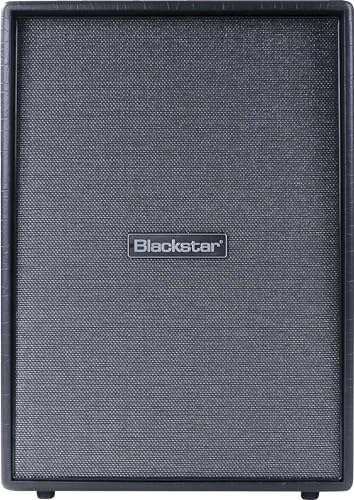
Speaker size, given in inches, and the number of speakers set how the sound projects and how much low end a cabinet produces. Single 6-inch and 8-inch speakers suit practice amps, while a 12-inch speaker or a 2x12 layout is used for larger stage sound.
Top guitar amps in the reference
A reference list of well-documented models, not a ranking.




Notable models
- Fender 64 Custom Deluxe Reverb. A 20-watt hand-wired tube combo with a 12-inch Jensen C12Q speaker, reverb and tremolo.
- Vox MV50 Series Head. A 50-watt head with a Nutube preamp and Volume, Gain and Tone controls.
- Boss Waza-Air. A wireless headphone amp with Katana-based amp and effect tones, three spatial sound modes and Bluetooth audio.
- Hotone Pulze Mini 5W Mini Ultra-Portable Smart & Speaker. A battery-powered 5-watt modeling amp with 52 amp models, 48 cabinet simulations and a USB audio interface.
- Boss Katana Head MKII- 100-Watt. A portable 100-watt head with five amp characters, an integrated monitor speaker and Tone Studio editing.
Frequently asked questions
How does a player choose between a combo and a head with a cabinet?
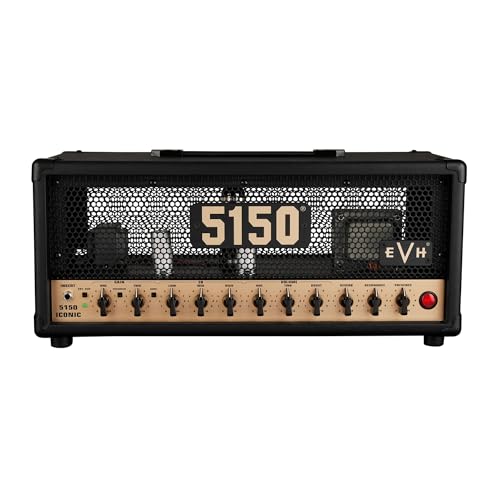
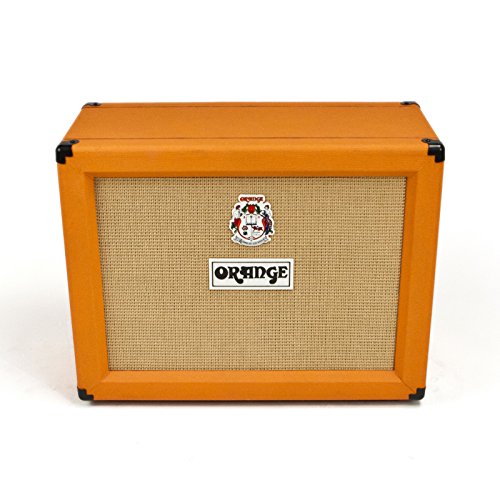
A combo such as the Marshall MG15GR Combo keeps the amplifier and speaker in one enclosure, which makes the setup compact. A head such as the EVH 5150III 50S 6L6 50-watt Head paired with a cabinet like the Orange PPC212-OB 120-Watt 2x12 Inches Open-Back Cabinet lets a player change the cabinet or speaker without changing the amplifier, and it suits larger rigs.
Which amps in this range are designed for headphone practice?
The Vox AP2BS amPlug 2 / Headphone Black is a headphone amp with seven voicings and built-in chorus, delay and reverb. The Boss Waza-Air is a wireless headphone amp with Katana-based tones and Bluetooth audio, so a player can practice quietly with either unit.
How are acoustic guitar amps different from electric guitar amps?
Acoustic Guitar Amps are designed for acoustic and acoustic-electric instruments, and several models add a second input, a looper or a balanced direct output. The Fishman Loudbox Micro 40-watt 1 x 5.25-inch Acoustic adds built-in reverb and chorus and a balanced XLR direct output for a sound system.
How does a power rating relate to volume?
Power is rated in watts, and a higher rating generally allows more volume before the sound becomes strained. The Hotone Pulze Mini 5W Mini Ultra-Portable Smart & Speaker suits small rooms and headphone use, while the Fender Mustang LT50, rated at 50 watts, has more room for larger spaces.
Sources: manufacturer specifications and GuitarTrader catalog data. Last verified October 24, 2026.