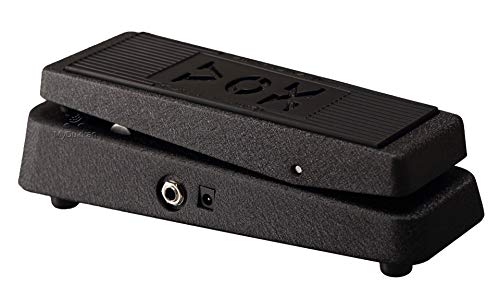
Electro-Harmonix Wailer Wah Wah
Analog wah pedal with a rack and pinion operating mechanism and a true bypass.
Price and availability as of Nov 24, 2026, 2:02 AM PST, subject to change. As an Amazon Associate, GuitarTrader earns from qualifying purchases made through this link, at no additional cost to you.
Notice a mistake? Let us know
Overview
The Wailer Wah is a wah pedal from Electro-Harmonix with an analog circuit and a true bypass. The pedal has a mono audio path, with an INPUT jack for the instrument and an OUTPUT jack for the amplifier. A wah sits in the signal chain between the instrument and the amplifier, and the pedal adds the wah effect when it is engaged. With the true bypass, the signal passes unchanged while the pedal is off.
Key features
- The circuit is analog, and the bypass is true bypass.
- The audio path is mono.
- The instrument plugs into the INPUT jack, and the amplifier connects to the OUTPUT jack.
Specifications · verified against the manufacturer
- Color / finish
- Black
Product identifiers
- Brand
- Electro-Harmonix
- Model
- Wailer Wah Wah
- Manufacturer model number
- WAILERWAH
- UPC (GTIN-12)
- 683274011806
- ASIN (Amazon)
- B01LYXMFJQ
- Category
- Filter, Wah & Envelope
- Manufacturer page
- ehx.com
Electro-Harmonix Wailer Wah Wah — where it fits
A wah pedal with an analog circuit, a true bypass and a mono audio path.
Wah sweeps from the operating mechanism
Engaging the pedal adds the wah effect to the signal in the chain.
Analog wah tone with a true bypass
The analog circuit provides the wah tone, and the true bypass passes the signal unchanged while the pedal is off. The mono audio path keeps the effect in a single signal chain.
- Manufacturer product page: ehx.com (accessed November 12, 2026)
- GuitarTrader catalog data
Frequently asked questions
Is a 9V battery included?
Yes. A 9V battery is included with the pedal.
Is a power adapter included?
No. A 9.6VDC-200mA power adapter is not included.
What is the current draw?
The current draw is 6 mA.
Does the pedal use true bypass?
Yes. The signal passes unchanged while the pedal is off.
More from Electro-Harmonix
All Electro-Harmonix gear →